OAC Meetings: How to Run One That Makes Decisions Instead of Reporting Status

OAC Meetings: How to Run One That Makes Decisions Instead of Reporting Status

ConstructionDecisions & ApprovalsApproval workflowsEscalation paths
Vanessa King
Vanessa King
4 min
Last update: 13 Aug 2026

What an OAC meeting is

OAC stands for Owner, Architect, Contractor. An OAC meeting brings those three parties together on a regular cycle, usually weekly or fortnightly, to review progress and resolve the decisions that only they can make together.

The composition is the point. The owner controls funding, scope and business decisions. The architect or engineer controls design intent and interpretation of the documents. The contractor controls means, methods and sequence. A large share of the decisions that hold up construction require at least two of them, and OAC exists so that those decisions have a scheduled venue rather than depending on somebody chasing an email.

Attendance typically extends to the owner's representative, project manager, superintendent, relevant consultants, and key subcontractors for the items being discussed. Anyone whose decision is on the agenda should be present or represented by someone empowered to answer.

Why most OAC meetings underperform

The failure mode is consistent and easy to recognise. The meeting becomes a status report: progress is narrated, photographs are shown, everyone agrees the project is broadly where it was expected to be, and ninety minutes pass without a single decision being made.

Status is the least valuable thing to discuss in that room, because it can be circulated in advance and read in four minutes. What cannot be handled elsewhere is the decision that requires the owner and the architect in the same conversation.

Three symptoms indicate the meeting has drifted: the same open items appear week after week without a due date attached, decisions are recorded as being under review with nobody named against them, and the minutes describe what was said rather than what was agreed.

Meanwhile the cost of an unmade decision compounds silently. An RFI awaiting an answer for three weeks is not an administrative delay, it is an activity that cannot start, a crew that will be booked elsewhere, and possibly a milestone quietly losing its float.

An agenda ordered by schedule consequence

A useful agenda is ordered by schedule consequence rather than by discipline or by the order items arrived.

  • Decisions required today, each with the activity it is holding up and the date it is needed by. This should be the first item, not the last.
  • Ageing RFIs, submittals and approvals, sorted by how much float remains on the work waiting for them rather than by how long they have been open.
  • Changes in progress: pending change orders, their schedule impact, and what is being held pending instruction.
  • Lookahead exceptions: which upcoming activities are blocked or unconfirmed, and what the owner or architect can do about them.
  • Milestones at risk, with the specific cause rather than a colour.
  • Progress and commercial items last, since these are largely informational and can be cut when time runs short.

Ordering the agenda this way changes the meeting's character within a few weeks. When the first thirty minutes are always about decisions with dates attached, the participants who can make those decisions start arriving prepared.

Recording decisions so they hold

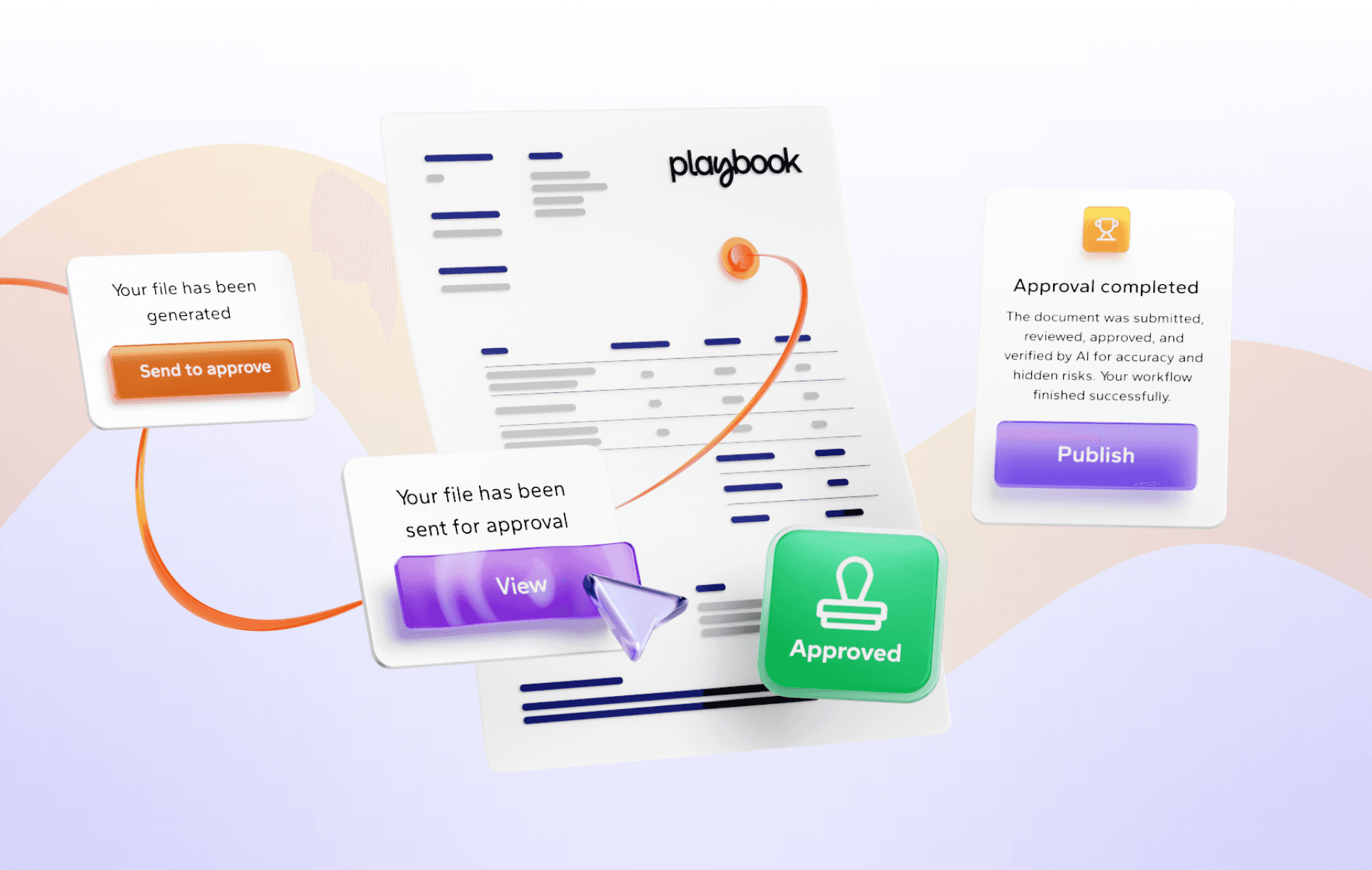
Every decision recorded should carry four things: what was decided, who owns the next action, the date it is required by, and the activity it affects. Decisions without an affected activity tend not to get chased, because nobody can see what they are costing.

Minutes matter more than most teams treat them. They are contemporaneous evidence of when a decision was requested, when it was given, and what the contractor said about the consequences of delay. In a later delay analysis they are often the clearest record of the link between an outstanding approval and an activity that could not start.

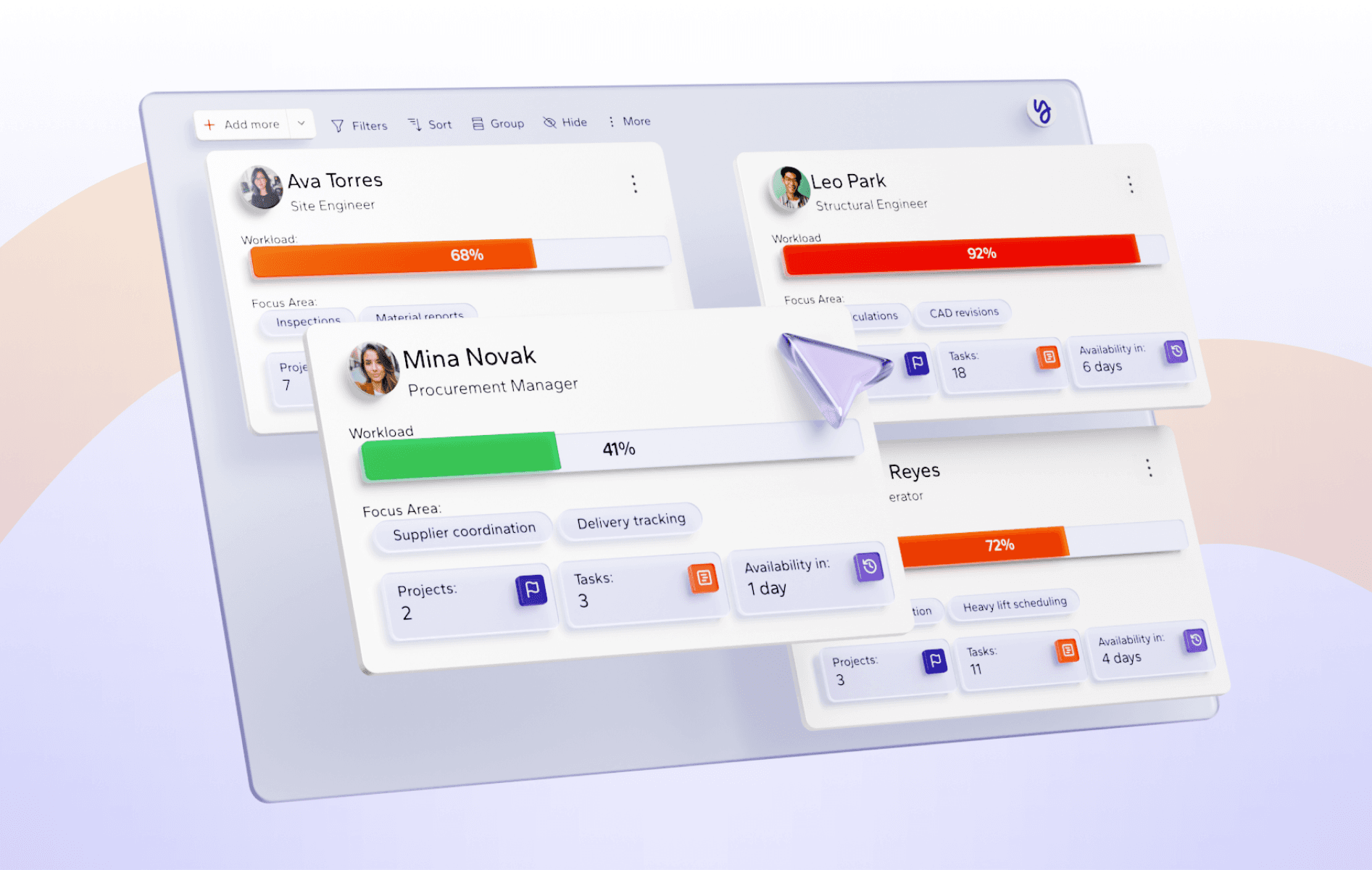
The preparation burden is what usually degrades the meeting. Assembling the ageing approvals, the blocked activities and the decisions needed means pulling from the RFI log, the submittal register, the programme and several conversations, and whoever does that job every week eventually starts doing it less thoroughly.

Because Playbook keeps approvals, documents, blockers and conversations attached to the activities they affect, that agenda is largely a view of the project rather than a document somebody assembles. The decisions needed this week, the approvals ageing against their need by dates and the lookahead exceptions are already connected to the work they are holding up.

What does OAC mean in construction?

OAC stands for Owner, Architect, Contractor. An OAC meeting is the regular coordination meeting between those three parties to review progress and resolve decisions that require them together.

Who attends an OAC meeting?

The owner or owner's representative, the architect or engineer, and the contractor's project manager and superintendent. Relevant consultants and subcontractors attend for the items that concern them.

How often should OAC meetings be held?

Most projects run them weekly or fortnightly. The right frequency is whatever keeps decision turnaround shorter than the lead time the work requires. If decisions routinely arrive too late, the meeting is either too infrequent or wrongly focused.

What should be on an OAC meeting agenda?

Lead with the decisions required and the date each is needed by, then ageing RFIs and approvals ordered by the float remaining on the work waiting for them, then pending changes and blocked upcoming activities. Progress reporting belongs at the end.

Share this post:

Note to editors:

High-resolution images and interviews with PYBK leadership team members are available upon request.

You might also like