Look Ahead Schedule: Why Yours Shows Dates Instead of Readiness

Look Ahead Schedule: Why Yours Shows Dates Instead of Readiness

ConstructionReadinessTask dependenciesSubcontractor performance
Eric Dawson
Eric Dawson
8 min
Last update: 13 Aug 2026

What a look ahead schedule actually is

A three week look ahead can be perfectly organised and still be wrong. The activities may be sequenced correctly. The dates may line up with the master schedule. Every trade may appear in the right place. None of that means the work can actually happen.

An activity scheduled for next Tuesday may still be waiting on an approved submittal, an inspection, a material delivery, site access, predecessor completion, equipment, or confirmation from the subcontractor expected to perform it. The activity is scheduled. It is not ready.

A look ahead schedule is a short term extract of the master schedule, usually covering the next two to six weeks, that the project team reviews and updates every week. Two week, three week and six week versions are all common, and the right window depends on procurement lead times and how far ahead your constraints can realistically be cleared.

In lean construction it sits between phase planning and the weekly work plan. The Lean Construction Institute describes the Last Planner System as a set of five conversations: should, can, will, did and learn. Look ahead planning, also called make ready planning, is the can conversation. Its job is to get upcoming work into a condition where it can be performed.

That purpose matters more than the time window. Whether you run two weeks or six, the point is not to restate dates from the master schedule in more detail. It is to establish which of that work is genuinely capable of proceeding, and to fix what is not. Most look aheads never make that second move. They are extracts, not plans.

A date is not evidence of readiness

Most schedules answer a straightforward question: when is the work supposed to happen? A reliable look ahead has to answer a harder one: what evidence do we have that the work can happen?

Those are not the same question. A task can carry a planned start date without having:

  • a confirmed subcontractor and available crew
  • completed predecessor work
  • approved drawings and resolved RFIs
  • required permits and booked inspections
  • materials delivered to site and available equipment
  • safe access to the work area
  • outstanding owner or consultant decisions
  • satisfied safety and compliance requirements

When those conditions are not visible alongside the activity, the look ahead creates false confidence. The team sees a date and assumes there is a plan. This is the gap contractors describe when they say the schedule shows the work as ready while the field says otherwise. The information exists somewhere. It has simply not reached the plan.

The five states of an upcoming activity

A useful look ahead distinguishes between at least five conditions. A binary view of scheduled versus not scheduled is not enough to run a week of work.

1. Ready. The necessary conditions have been confirmed. The work can proceed as planned.

2. At risk. The work may still proceed, but one or more conditions could prevent it. A material shipment is expected but not verified. A predecessor is close to complete but running behind pace. A subcontractor has tentatively agreed without providing crew detail.

3. Blocked. A known issue prevents the activity from starting: an overdue approval, incomplete predecessor work, a missing permit, unavailable equipment, restricted access, or an unresolved design issue.

4. Awaiting confirmation. The work may be technically ready, but the responsible party has not committed to the date, the labour, the equipment or the scope.

5. Unknown. The team does not have enough current information to determine whether the task is ready.

The fifth state is the one most teams leave out, and it is the most dangerous omission. Many look aheads treat silence as confirmation and missing information as evidence that nothing is wrong. Unknown is not the same as ready.

Separating awaiting confirmation from ready also changes the weekly meeting. Instead of reading dates aloud, the team works a much shorter list: what is unknown, what is unconfirmed, and what is blocked. Ready work needs no discussion.

Why look aheads drift from site reality

The problem is rarely that the project team does not care about readiness. The problem is that the evidence is scattered.

The superintendent knows about the access restriction. The subcontractor knows the crew has been pulled to another job. The project engineer knows the submittal is still unapproved. Procurement knows the delivery has slipped. The safety lead knows a required plan is incomplete. The schedule knows none of it.

That information lives in emails, text messages, phone calls, coordination meetings, whiteboards, personal notes, spreadsheets, RFI logs, submittal logs and document management systems. Someone has to collect it, interpret it, update the plan and redistribute it. By the time that cycle is complete, some of it has already changed.

The symptoms are consistent across companies. Teams spend hours rebuilding the look ahead every week. The office and the field work from different information. Nobody finds out there is a problem until the task is supposed to start. The result is a look ahead that describes what the team intended to happen rather than what is now achievable.

How to build a readiness based look ahead

Pull the window from the master schedule, not from memory. The look ahead should be a rolling extract that reconciles back to the master schedule, otherwise you create a second version of the truth and spend the meeting arguing about which one is current.

Give every activity explicit readiness requirements. Constraint logic is what turns a list of dates into a plan. A concrete pour may require formwork complete, rebar inspected, embeds confirmed, mix design approved, pump and crew booked, an acceptable weather window and clear access. Write the requirements down once per activity type and reuse them.

Assign every constraint an owner and a need by date. A constraint without a name against it is a note, not an action. The need by date should sit far enough ahead of the planned start that somebody can still do something about it. A submittal that must be approved the day before the pour is not a constraint that has been managed.

Ask for confirmation, not attendance. Scheduled work is not committed work. The responsible party should confirm crew, equipment, materials, work area and start date. Silence is not a commitment, and a subcontractor appearing on next week's schedule does not mean anyone has asked them.

Classify every activity into one of the five states. This is the step that makes the document useful. It converts a schedule extract into a readiness assessment.

Work the exceptions, then record what changed. The value of the meeting sits in the blocked, unconfirmed and unknown items. Capturing what changed and why is what allows the team to see patterns rather than rediscovering the same constraint type every month. Understanding which slipped activities sit on the critical path tells you which exceptions to work first.

How to tell whether your look ahead is working

Percent Plan Complete is the standard measure. The Lean Construction Institute defines it as completed tasks divided by total planned tasks, a basic indicator of how well the planning system is working. It measures the reliability of the plan, not how hard the crews worked.

Used alone it is a lagging number that arrives after the week is lost. Pair it with a few leading indicators:

  • Tasks made ready. How many upcoming activities were made ready as planned. This tells you whether make ready planning is functioning at all.
  • Tasks anticipated. How many activities in the weekly work plan were identified in the look ahead. A low figure means work is appearing without warning.
  • Constraint ageing. How long constraints stay open after being raised. Ageing constraints predict missed starts more reliably than any date field.
  • Reasons for variance. The pattern matters more than the percentage. Three missed starts caused by late approvals is a process problem, not bad luck.

One combination is worth watching closely. If Percent Plan Complete is high but tasks anticipated is low, the team is completing work it never planned. That is not reliability. It is improvisation that happened to work. Recurring crew and equipment clashes are worth reviewing separately against how you handle resource constrained scheduling.

What software can and cannot fix

Software genuinely helps with a specific set of problems. It can hold one current version of the plan while preserving the history of what changed. It can connect constraints, approvals, documents, RFIs and conversations to the activity they affect, so the evidence sits next to the work rather than in a separate system. It can make reporting fast enough that a superintendent or a subcontractor will actually do it. It can show downstream impact when one activity slips, and help the team see which of twenty open issues actually threatens a milestone.

It cannot do the rest. Software cannot make a subcontractor show up, force an owner to make a decision, repair a baseline built on unrealistic durations, or replace the judgement of an experienced superintendent. It cannot guarantee that every update it receives is accurate. Construction will continue to involve weather, design changes, labour availability and site conditions that no platform predicts reliably.

The honest position is narrower and more useful: good software makes uncertainty visible earlier, shows where it is coming from, explains what it may affect, and gives the team time to respond while options still exist.

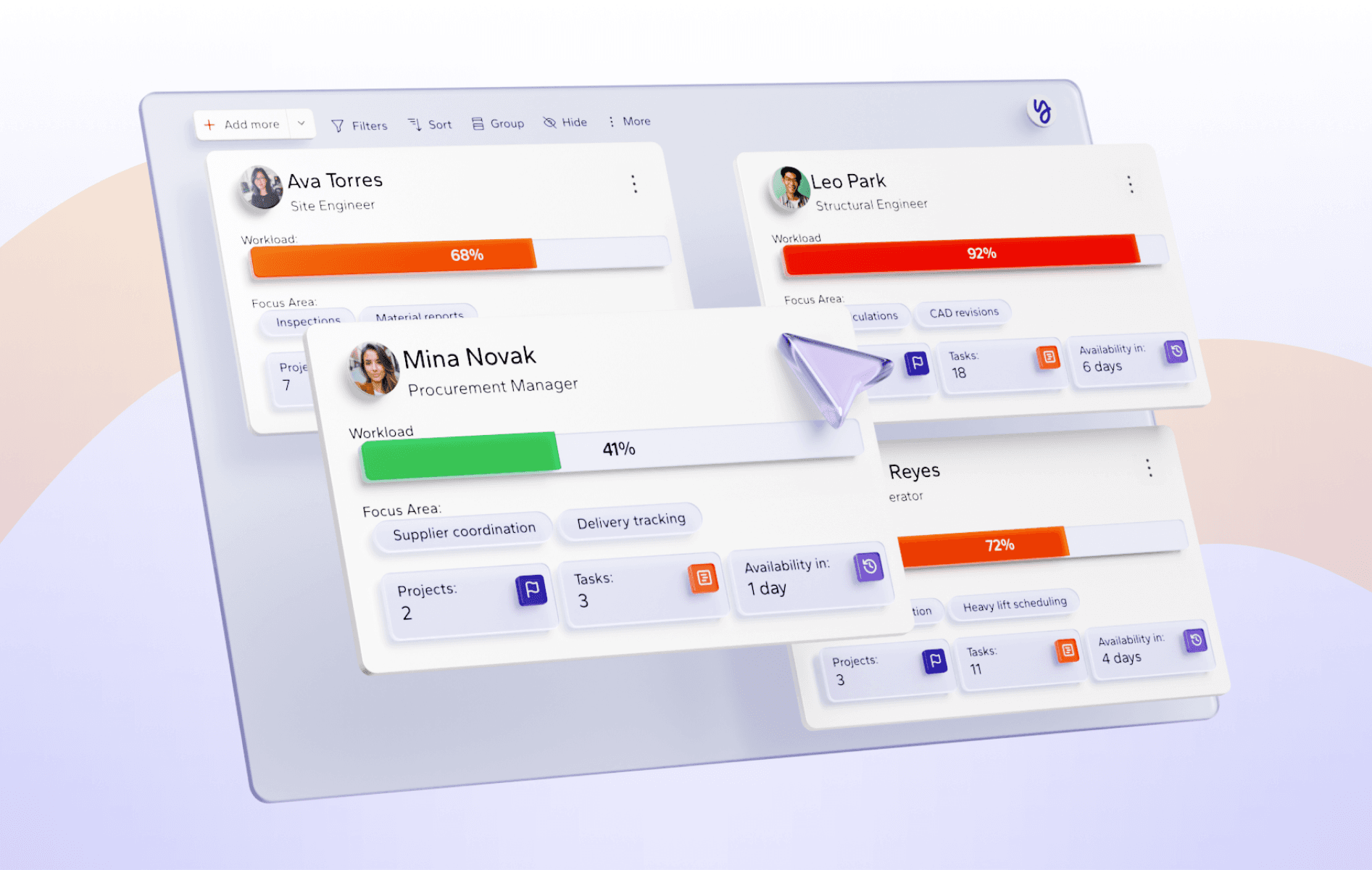
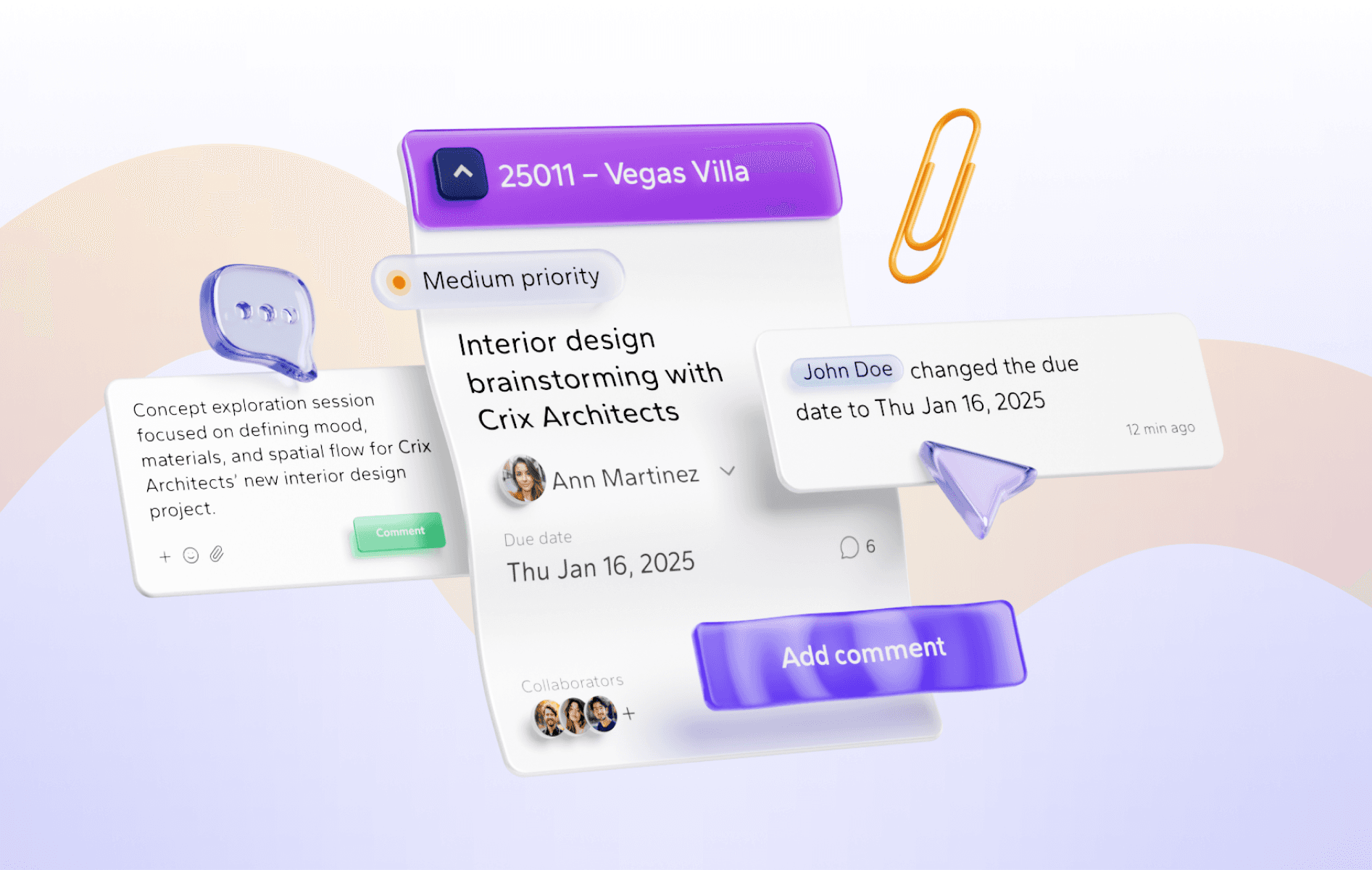
That is the problem Playbook is built around. It tracks readiness at the task level, so the look ahead shows whether work can proceed rather than only when it was planned. Subcontractors and other third parties can confirm whether they will be ready, report progress from site with photos, voice notes or a percentage, and flag a blocker without navigating a full project management platform. Approvals, documents and task level conversations stay attached to the activity they affect, which is what allows the system to identify which issue carries the greatest schedule exposure. Recommendations are explained with the evidence behind them, and changes affecting dates, dependencies or commitments stay with the project team.

A look ahead schedule is only as good as the evidence sitting behind each date. Once that evidence is visible, the weekly meeting stops being a status update and starts being a decision.


What is a look ahead schedule in construction?

A look ahead schedule is a short term view of upcoming work, typically covering two to six weeks, extracted from the master schedule and updated weekly. Its purpose is to identify and clear the constraints preventing that work from proceeding, not simply to restate planned dates.

How many weeks should a look ahead cover?

Three weeks and six weeks are the most common windows. The right length depends on how much lead time your constraints require. If procurement, approvals or inspections routinely take four weeks to clear, a two week look ahead will surface problems too late to fix them.

What is the difference between a look ahead schedule and the master schedule?

The master schedule is the contractual plan covering the whole project and answering what was committed. The look ahead is an operational plan covering the next few weeks and answering whether that work can actually be performed. The look ahead should always reconcile back to the master schedule.

What is make ready planning?

Make ready planning is the process of getting upcoming activities into a condition where they can be performed, by identifying constraints, assigning owners and clearing them before the planned start date. In the Last Planner System it is the conversation between what should happen and what will be committed.

Who should attend the look ahead meeting?

The people who control the work. That normally means the superintendent, project manager, project engineer and the foremen or trade leads responsible for the upcoming activities. A look ahead built without the people performing the work produces dates, not commitments.

What counts as a good Percent Plan Complete?

Teams commonly aim for 80 percent or above, but the trend and the reasons for variance are more useful than the number itself. A stable 65 percent with well understood causes gives you more to act on than an unexplained 90 percent.

Share this post:

Note to editors:

High-resolution images and interviews with PYBK leadership team members are available upon request.

You might also like