




Best Construction Scheduling Software: Choosing by Problem, Not by Feature List
There is no single best construction scheduling tool, and any list that names one is answering a different question from the one you are asking. What exists...

Practical guides for improving schedules, coordination, readiness, approvals, reporting, and AI-enabled project execution.
Start here. The core scheduling concepts every delivery team needs — critical path, Gantt charts and roadmaps, capacity planning, decision models for keeping approvals moving, and the difference between time- and resource-constrained work.

How predictive AI is changing project execution: sprint planning that anticipates risk, execution intelligence that keeps delivery predictable, and team structures built for an AI-assisted workflow.

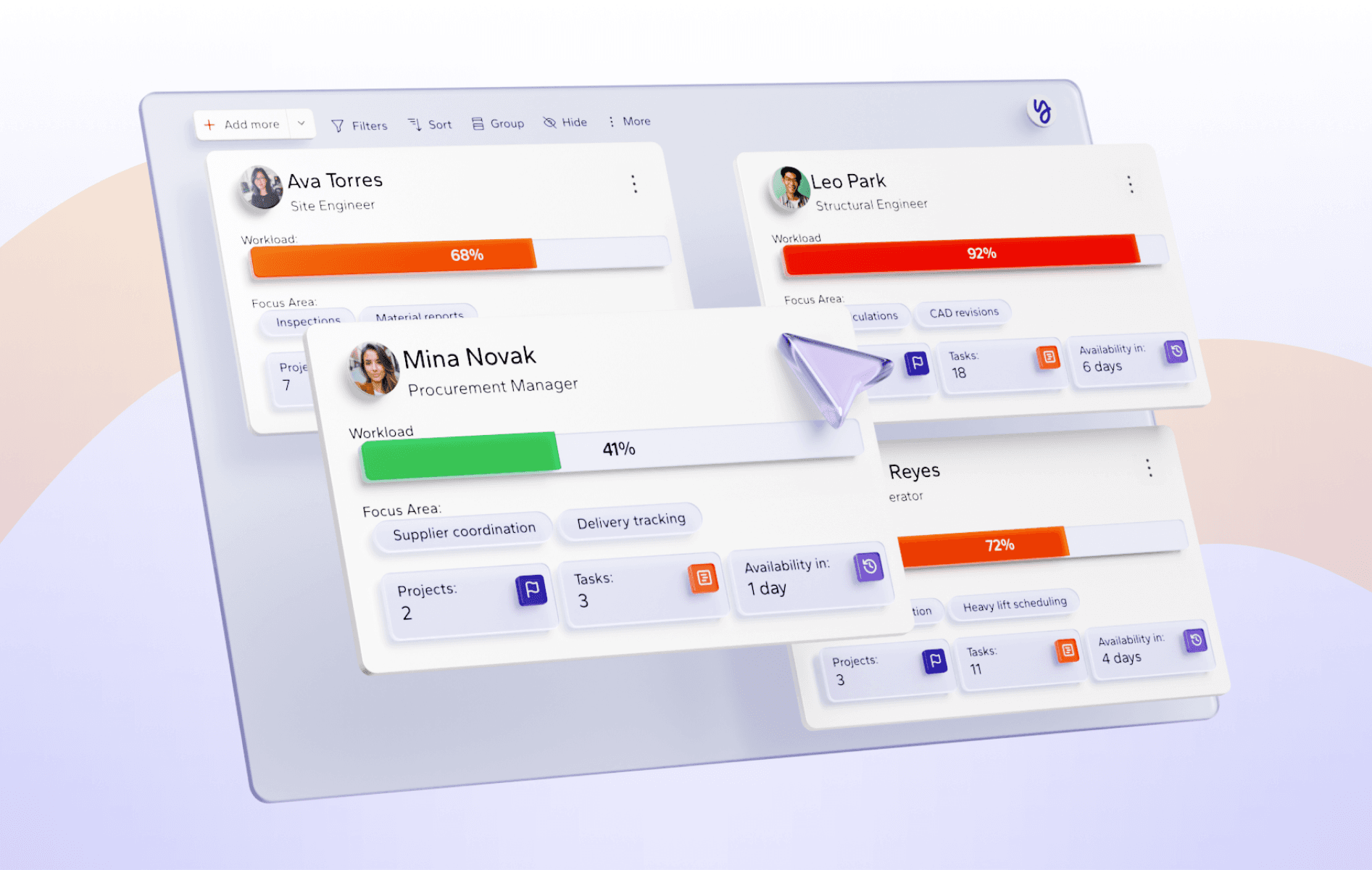
Match the right people to the right work. Skills-based staffing, forecast-driven scheduling, and the utilization practices that lift billable hours without burning out the team.

Run learning programmes that scale. Sequencing cohorts across time zones, building customer-centric timetables, and measuring the return your scheduling decisions actually produce.

Build a construction schedule that survives contact with site. Sequencing the work, applying the critical path to real trade logic, knowing where the method stops being useful, and choosing software by the problem you actually have.

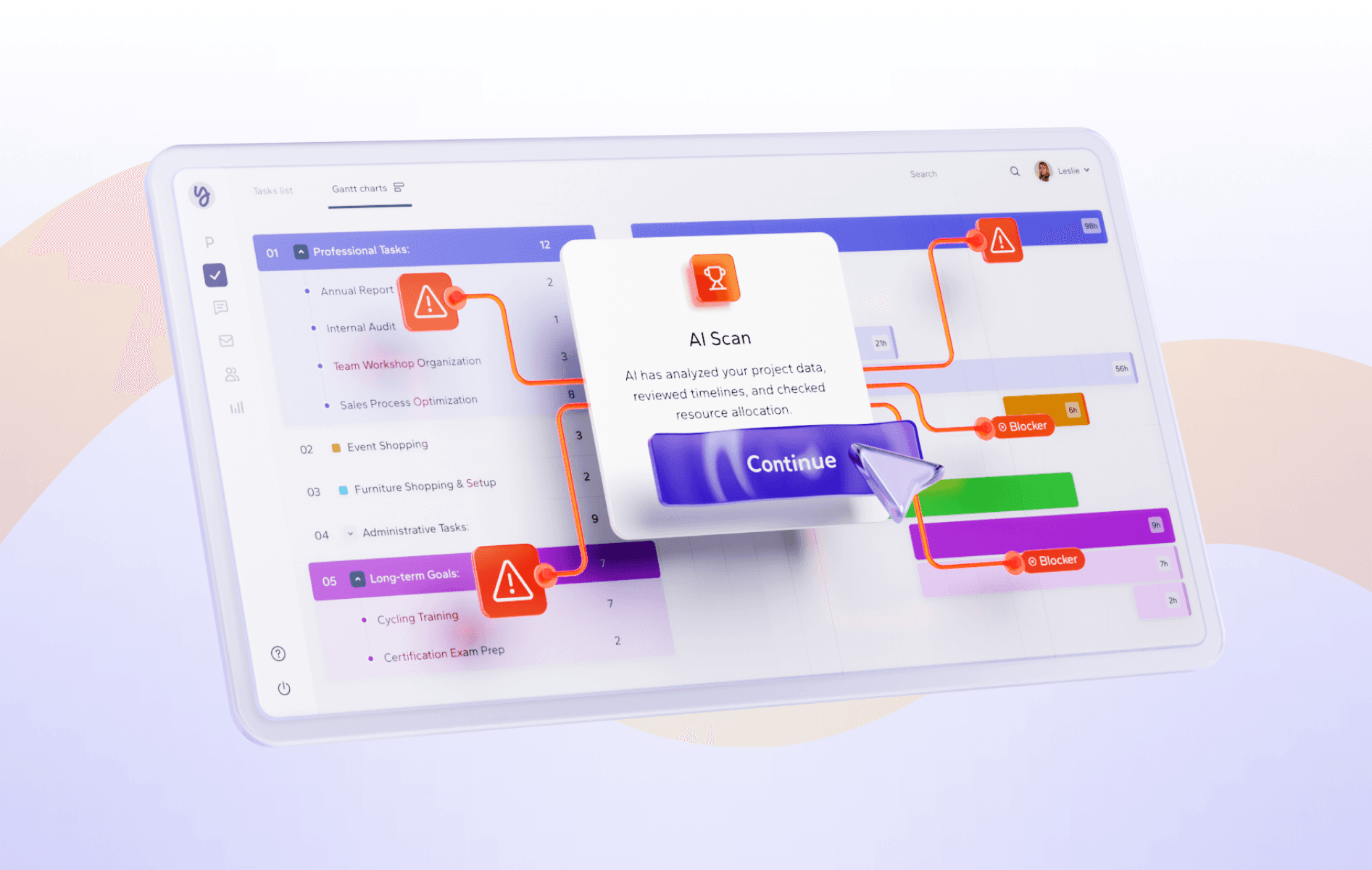
Catch slippage while it is still recoverable. What causes projects to slip and the signals each cause leaves, how delay analysis works and the evidence it rests on, how to quantify confidence in your completion date, and what project controls software can and cannot tell you.

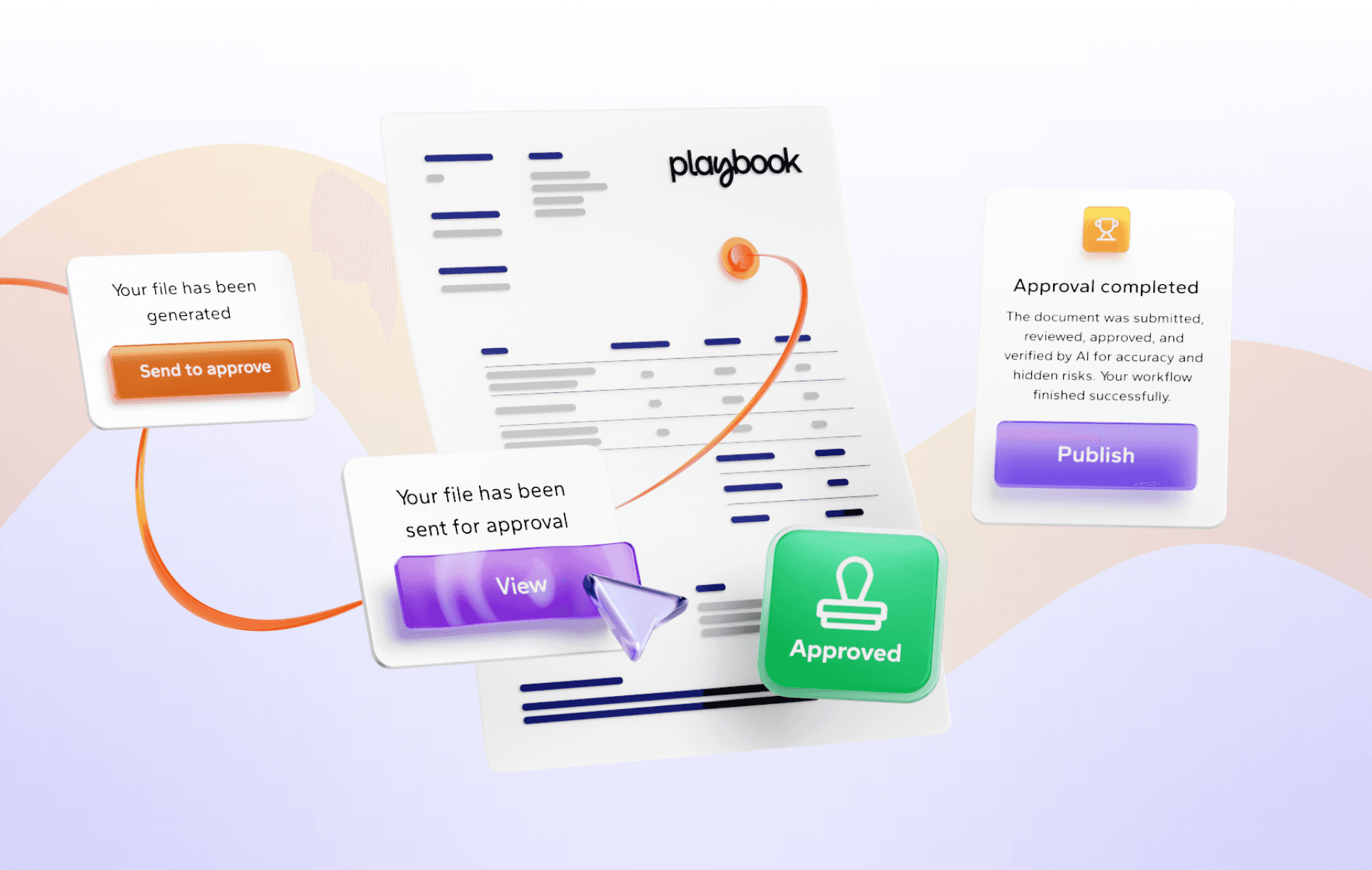
The paperwork and meetings that quietly decide whether the schedule holds. Punch lists and closeout, change orders and their real schedule impact, the schedule of values behind your cash flow, and OAC meetings that make decisions instead of reporting status.