Look Ahead Schedule: Why Yours Shows Dates Instead of Readiness
A three week look ahead can be perfectly organised and still be wrong. The activities may be sequenced correctly. The dates may line up with the master...


Pull planning is a collaborative scheduling method where the people who will perform the work build the sequence themselves, working backwards from a milestone rather than forwards from a start date.
The direction is the point. Forward planning tends to produce durations that reflect what each trade would prefer. Working backwards from a fixed completion date forces a different conversation: what has to be finished before I can start, and who owes it to me? That question surfaces handoffs, missing scope and unrealistic assumptions while they are still cheap to fix.
In the Last Planner System pull planning is the should conversation. It establishes what the team believes ought to happen to hit the milestone. Make ready planning then asks whether it can happen, and the weekly work plan captures what people will commit to. Pull planning without those follow up conversations produces an impressive wall of sticky notes and very little change on site.
It is also sometimes called reverse phase scheduling, because it is normally applied to a phase of work such as structure, envelope or fit out rather than to the whole project at once.
Get the right people in the room. The last planners are the foremen and trade leads who control the crews, not their commercial managers. A session run by people who cannot commit labour produces a wish list. Include the superintendent, the project engineer and anyone who owns approvals or procurement for the phase.
Fix the milestone and work backwards. Put the completion date for the phase on the right hand side of the wall. Ask the trade that finishes last what it needs in place before it can start, then move left. Each trade defines its own predecessors. Nobody schedules anyone else's work.
Capture handoffs, not just durations. The useful output of a pull plan is the set of conditions passed between trades: the area is clear, the deck is loaded out, the inspection is signed off, the wall is closed. Durations matter less than the definition of what done means at each handover, because that is where most disputes start.
Argue in the room. When two trades want the same area in the same week, that conflict has just been found weeks early and for free. Resolving it on a wall costs a conversation. Resolving it on site costs crews, equipment and often overtime.
Reconcile against the master schedule. If the pull plan finishes later than the contractual date, that gap is real information and needs escalating rather than quietly absorbing. Understanding which activities sit on the critical path tells you where compression is worth attempting and where it simply moves the problem.

Most failed pull planning sessions fail for the same handful of reasons, and none of them are about the method itself.
The third point is the most common and the most expensive. Teams describe the same pattern: a good session, genuine agreement, and then three weeks later everyone is back to working from their own version because nobody could see the plan without walking into the site office.
A pull plan describes what should happen. It becomes operational only when it feeds a look ahead schedule that tracks whether each of those activities can actually start.
Every handoff condition agreed on the wall becomes a readiness requirement in the lookahead. Every constraint raised in the session becomes an item with an owner and a need by date. Every commitment made by a trade lead becomes something the team can confirm or chase before the crew is due to mobilise.
This is where the method usually breaks in practice, and it is a records problem rather than a planning problem. The agreements exist. They live on a wall, in a photograph, in a spreadsheet rebuilt each week and in the memory of whoever ran the session.
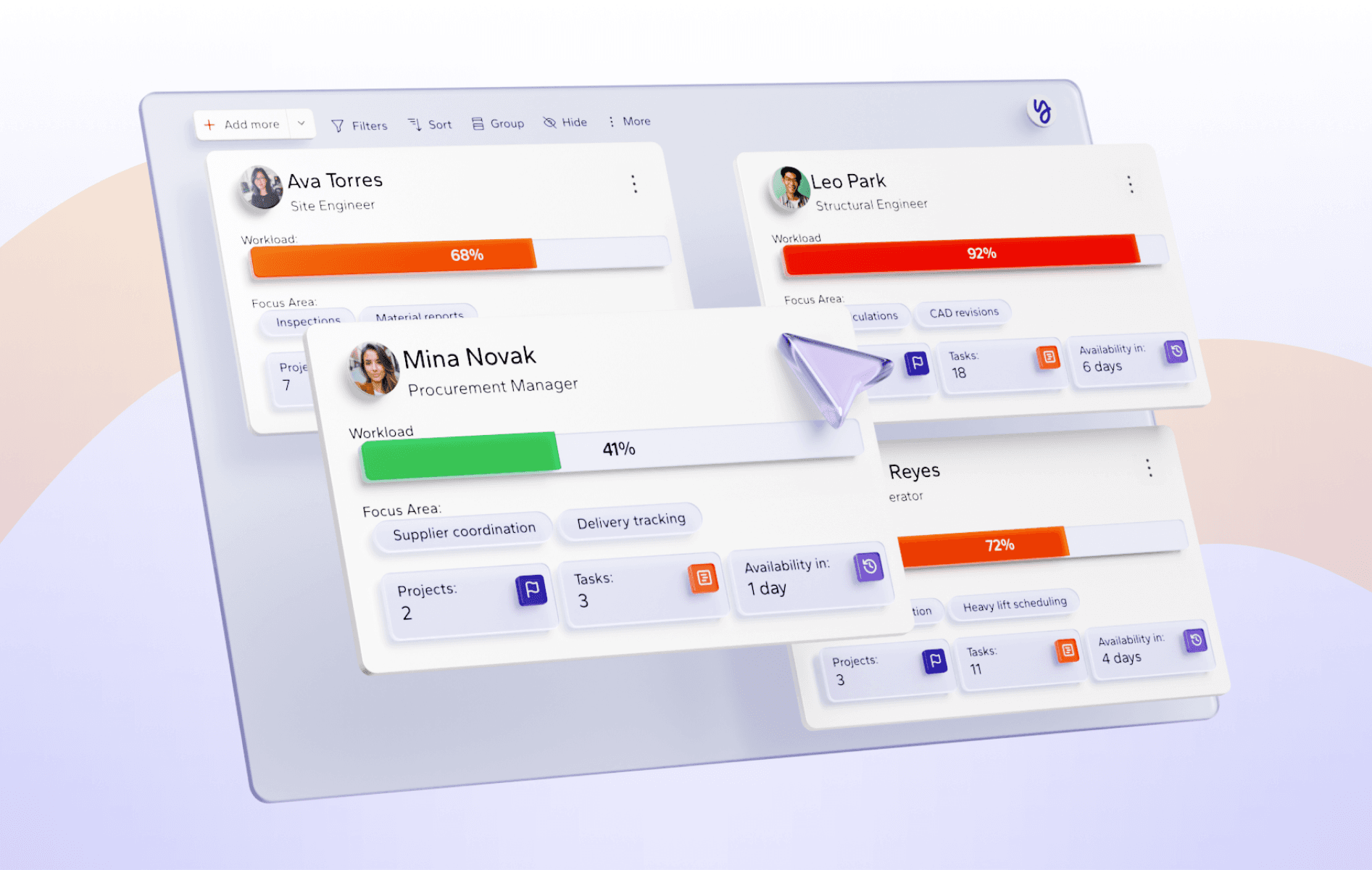
Keeping the plan visible without recreating it every week is exactly what Playbook is built for. Handoff conditions become task level readiness requirements, constraints carry an owner and a date, and the trade leads who made the commitments can confirm them, report progress or flag a blocker from site without learning a scheduling tool. The wall stays useful after everyone leaves the room.
What is pull planning in construction?
Pull planning is a collaborative method where the trades performing the work build the sequence backwards from a milestone, defining what each of them needs in place before they can start. It produces the handoff conditions between trades rather than a set of dates handed down by the general contractor.
How is pull planning different from traditional scheduling?
Traditional scheduling works forwards from a start date and is usually built by one person. Pull planning works backwards from a completion milestone and is built by the people who will perform the work. The difference shows up in commitment: trades are far more likely to hit a sequence they defined themselves.
Who should attend a pull planning session?
The foremen and trade leads who control the crews, plus the superintendent, project engineer and anyone responsible for approvals or procurement in that phase. If the people in the room cannot commit labour, the session will produce intentions rather than commitments.
How often should you run pull planning?
Per phase of work, and again whenever conditions change materially. Structure, envelope and fit out would each get their own session. Pull planning performed once at mobilisation and never revisited stops reflecting the project within weeks.
Note to editors:
High-resolution images and interviews with PYBK leadership team members are available upon request.

Project controls is the discipline of measuring whether a project is going to hit its time and cost targets, and providing early enough warning to do something...

There is no single best construction scheduling tool, and any list that names one is answering a different question from the one you are asking. What exists...

OAC stands for Owner, Architect, Contractor. An OAC meeting brings those three parties together on a regular cycle, usually weekly or fortnightly, to review...