Pull Planning in Construction: How to Run a Session That Holds
Pull planning is a collaborative scheduling method where the people who will perform the work build the sequence themselves, working backwards from a milestone...


The Last Planner System is a production control system for construction, developed by Glenn Ballard and Greg Howell and maintained by the Lean Construction Institute. The name refers to the last planner in the chain: the foreman or trade lead who decides what a crew will actually do tomorrow, rather than the person who drew the master schedule.
Its central claim is straightforward. A master schedule states what should happen. It cannot tell you what can happen, and it has no mechanism for capturing what people will commit to. LPS adds those missing conversations and then measures how often commitments were kept.
The Lean Construction Institute describes the system as five conversations: should, can, will, did and learn. Each has a planning layer attached to it, and the layers narrow as they get closer to the work.
The Last Planner name is a registered trademark of the Lean Construction Institute. It is also worth noting that LPS is designed as a whole. Teams that adopt only the parts that feel comfortable, usually the collaborative planning session, tend to get the least out of it.

Master scheduling sets what should happen. Milestones, phases and contractual dates. This layer changes rarely and answers to the contract rather than to the week.
Phase planning breaks the milestone down collaboratively. This is where pull planning sits. The trades work backwards from the milestone and define the handoffs between them.
Lookahead planning asks what can happen. Also called make ready planning, this is the layer where constraints get identified and cleared so that upcoming work becomes executable. A look ahead schedule that only restates dates is not performing this function.
Weekly work planning captures what will happen. The last planners state what they will complete in the coming week. Not what the schedule says, and not what they hope: what they can reliably promise given the crew, materials and cleared constraints they have.
Learning closes the loop. At the end of the week the team measures what was completed against what was promised, and asks why for each miss. The answer feeds the next cycle.
LPS is measured, which is unusual among planning methods and is a large part of why it survives contact with real projects.
The reasons for variance matter more than the percentages. A team that misses three commitments because approvals arrived late has a process problem it can fix. A team that records the same misses as bad luck for six months has a measurement ritual rather than a learning system.
This also explains why LPS struggles in command and control environments. If admitting a missed commitment invites blame, people stop making honest ones, and the metric quietly becomes decorative.
The recurring obstacle is administrative rather than philosophical. LPS asks for weekly commitments, constraint tracking, variance reasons and three metrics, all maintained by people whose actual job is building. Run on whiteboards and spreadsheets, that overhead lands on one coordinator, and it is usually the first thing dropped when the project gets busy. Which is precisely when it was most needed.
Three practical points help. Start with one phase rather than the whole project. Accept a low Percent Plan Complete at the beginning, because an honest 55 percent is more useful than a flattering 90 percent. And make participation genuinely fast for the people making commitments, because a foreman will confirm a crew in ten seconds and will not complete a form to do it.
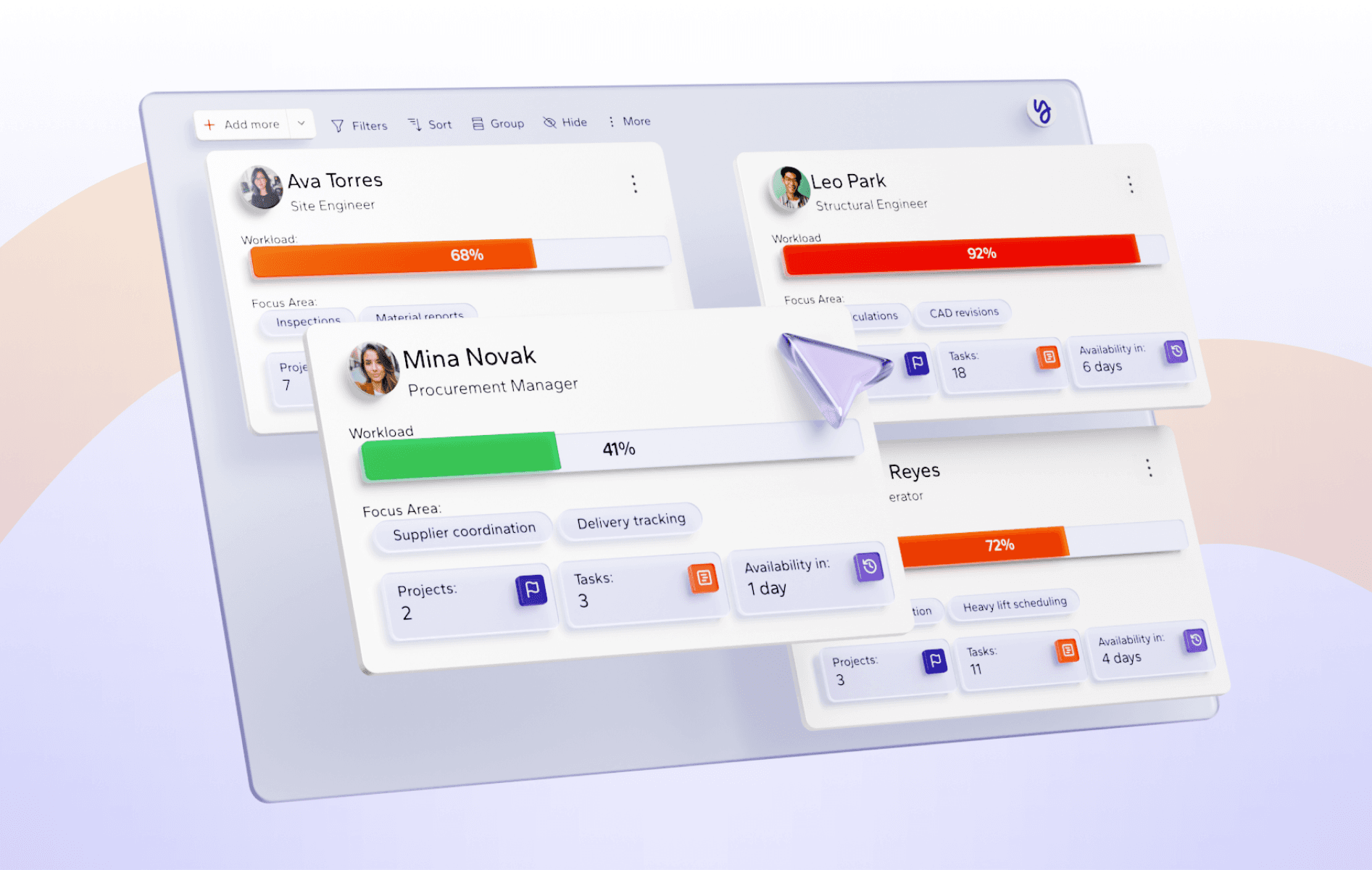
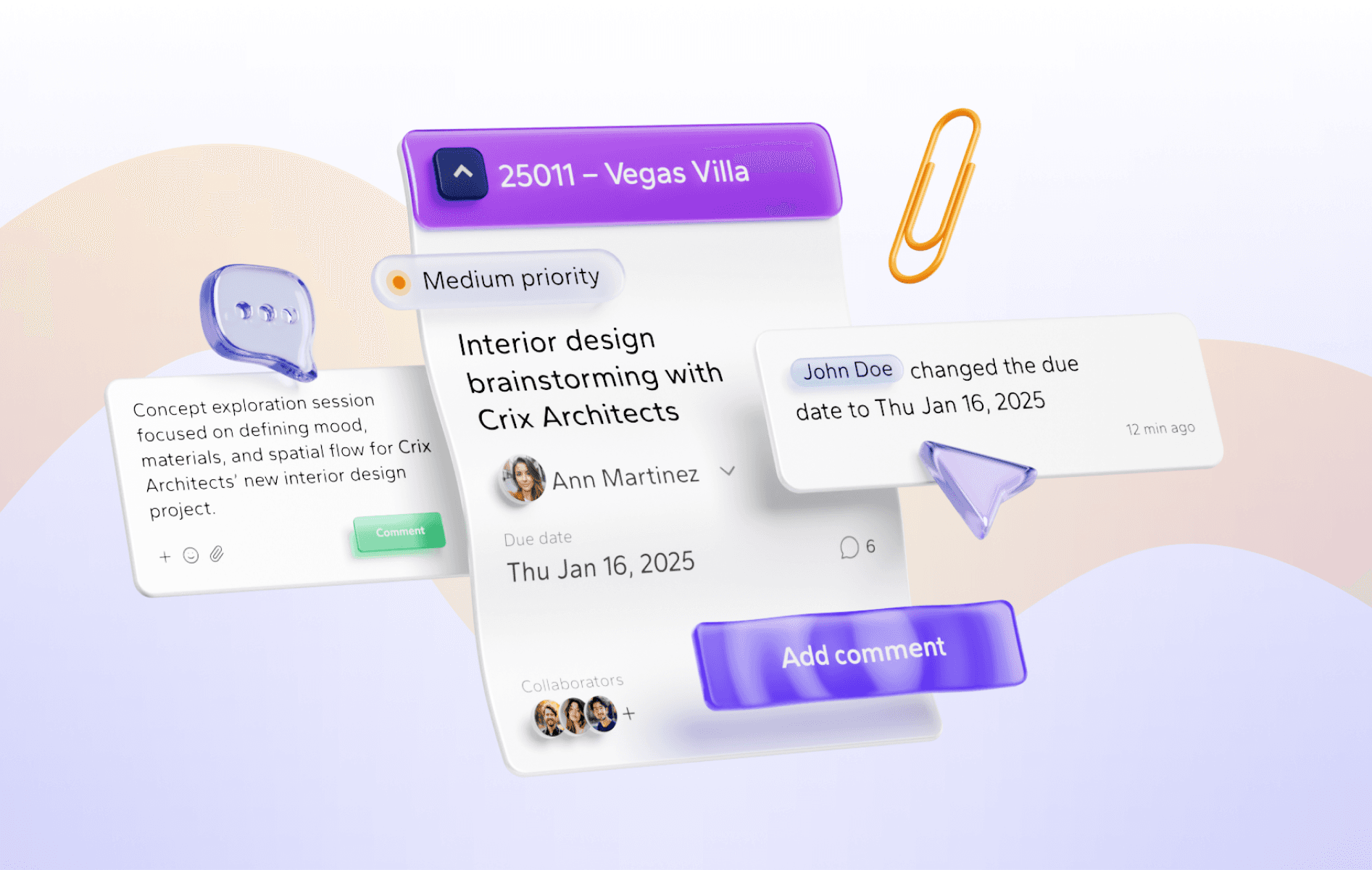
That last point is where software earns its place. Playbook tracks readiness and constraints at task level, lets subcontractors and trade leads confirm commitments or flag blockers from site in seconds, and keeps the history of what was promised, what changed and why. The judgement stays with the team. The clerical work behind the method stops depending on one person with a spreadsheet.
What is the Last Planner System?
The Last Planner System is a lean production control system for construction built around five conversations: should, can, will, did and learn. It adds collaborative phase planning, constraint clearing and weekly commitments to the master schedule, then measures how reliably those commitments are kept.
Is pull planning the same as the Last Planner System?
Pull planning is one layer within the Last Planner System, used during phase planning to build the sequence backwards from a milestone. LPS is the wider system, which also includes lookahead planning, weekly work planning and measurement.
What metrics does the Last Planner System use?
Percent Plan Complete, Tasks Made Ready and Tasks Anticipated. Percent Plan Complete is the most widely used, but on its own it is a lagging measure. The reasons recorded for each missed commitment are what actually drive improvement.
Does the Last Planner System replace the master schedule?
No. LPS is designed to complement the master schedule, not replace it. The master schedule holds the contractual milestones and logic. LPS governs how the next few weeks of work are made ready and committed to, and should always reconcile back to the master schedule.
Note to editors:
High-resolution images and interviews with PYBK leadership team members are available upon request.

Project controls is the discipline of measuring whether a project is going to hit its time and cost targets, and providing early enough warning to do something...

There is no single best construction scheduling tool, and any list that names one is answering a different question from the one you are asking. What exists...

OAC stands for Owner, Architect, Contractor. An OAC meeting brings those three parties together on a regular cycle, usually weekly or fortnightly, to review...