Construction Project Controls Software: What It Does and Where It Falls Short
Project controls is the discipline of measuring whether a project is going to hit its time and cost targets, and providing early enough warning to do something...


Construction scheduling is the practice of determining the sequence, timing and resourcing of the activities that deliver a project, and then keeping that plan aligned with what is actually happening on site.
The second half of that sentence is where the difficulty lives. Building a credible schedule is a skill, but it is a finite task with a clear output. Keeping it true across two years, forty subcontractors and several thousand decisions is a continuous one, and it is where most projects lose control.
A schedule earns its keep by doing five things: telling the owner when the project completes, telling trades when to mobilise, showing which delays matter, supporting payment and progress reporting, and providing the record if entitlement is later disputed. A schedule nobody trusts fails at all five simultaneously, which is why loss of confidence in the programme is such a serious symptom.
Most projects run several schedules at once, at different levels of detail and updated on different cycles. Confusing them is a common source of argument.
The master schedule covers the whole project and carries the contractual milestones. It is the reference point for entitlement and normally changes only through a formal process.
The baseline is the agreed snapshot of the master schedule against which progress and delay are measured. A project without an agreed baseline has no way of demonstrating that anything went wrong.
Phase schedules break a milestone into the sequence of work needed to reach it, ideally built collaboratively through pull planning with the trades who will perform it.
The lookahead covers the next two to six weeks and exists to clear constraints so that upcoming work becomes executable. A lookahead that only restates dates is not doing this job.
The weekly work plan records what each trade has committed to completing in the coming week.
These are layers of one plan, not competing documents. When they stop reconciling, the project has several versions of the truth and the weekly meeting turns into an argument about which one is current.
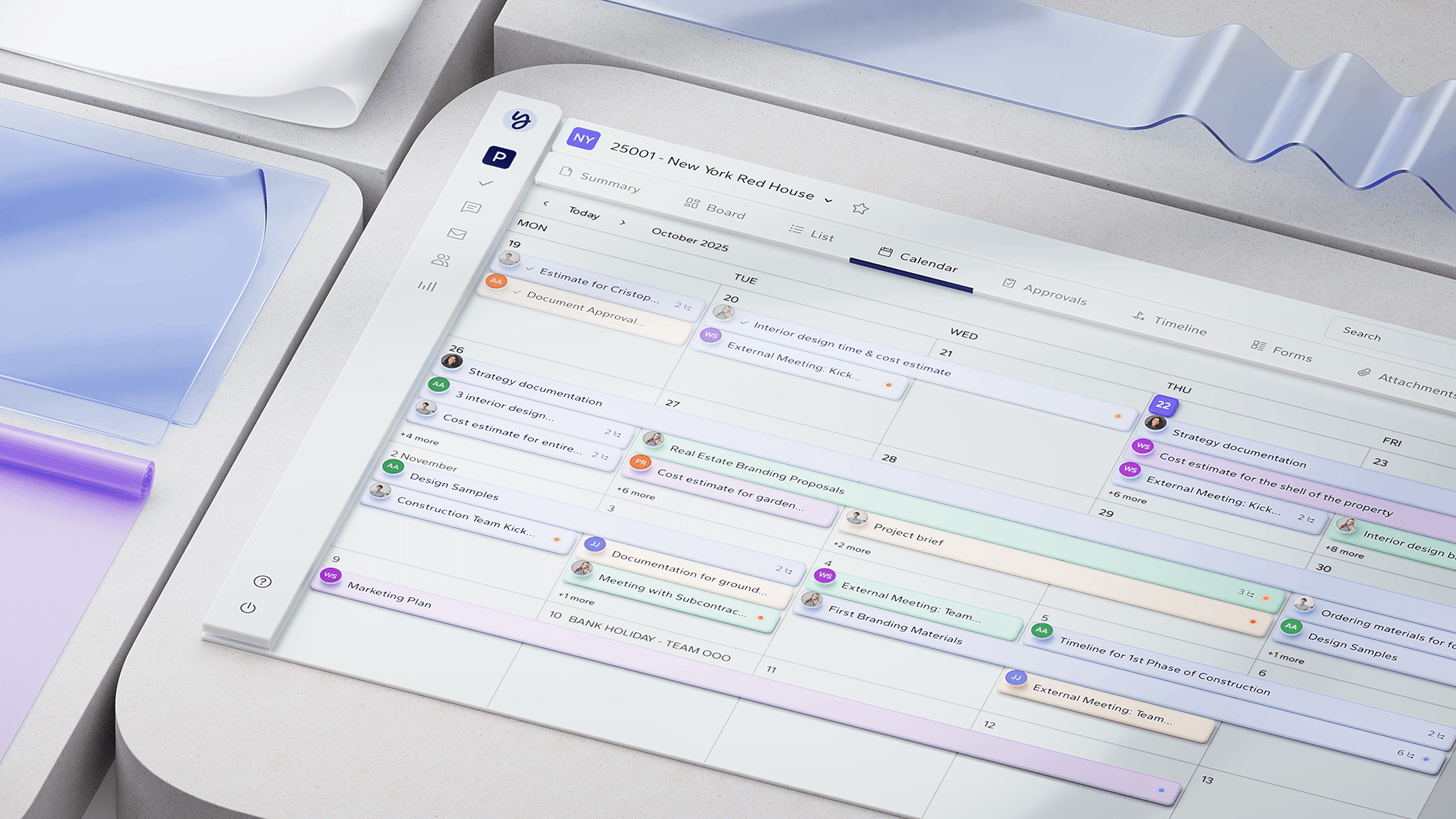
Two approaches dominate, and they answer different questions rather than competing.
The critical path method calculates the longest sequence of dependent activities and therefore the shortest possible project duration. It identifies which delays extend the completion date and which merely consume float. It is the basis of nearly every contractual programme and of most delay analysis, and it is what schedulers mean by schedule logic.
Lean planning methods, principally the Last Planner System, address a different failure. Critical path logic assumes work starts when its predecessors finish. On site, work starts when the crew, materials, access, approvals and information are all present. Lean methods manage that readiness and convert scheduled work into committed work.
Mature projects run both. Critical path logic tells you which activity threatens the end date. Lean planning tells you whether it will start on Monday. Choosing between them is a false economy, and teams that abandon critical path logic in favour of collaborative planning usually lose their ability to prove entitlement later.
Most scheduling problems are recognisable long before they become delays.
The common thread is separation. The schedule sits in one system, the constraints in another, the commitments in conversations, and the field reality in people's heads. Each part may be well maintained while the project as a whole has no coherent view.
Closing that gap is what Playbook is built for: keeping the schedule connected to the readiness, commitments, approvals and field updates that determine whether the plan is still achievable, without asking superintendents and subcontractors to become scheduling specialists to take part.
What is construction scheduling?
Construction scheduling is the process of planning the sequence, timing and resourcing of project activities and keeping that plan aligned with actual site conditions. It covers the master schedule, phase schedules, lookaheads and weekly work plans.
What is the difference between a master schedule and a baseline?
The master schedule covers the entire project and holds the contractual milestones. The baseline is the agreed version of it used to measure progress and delay. Without an agreed baseline a project cannot demonstrate what changed or why.
Should we use critical path scheduling or lean planning?
Critical path scheduling calculates dates and identifies which delays extend completion. Lean methods such as the Last Planner System manage whether work is genuinely ready to start. They address different failures and most mature projects use both together.
How often should a construction schedule be updated?
The master schedule is normally updated monthly or per the contract, the lookahead weekly, and the weekly work plan every week. Progress against activities should be captured continuously rather than collected in a single monthly exercise.
Note to editors:
High-resolution images and interviews with PYBK leadership team members are available upon request.

Project controls is the discipline of measuring whether a project is going to hit its time and cost targets, and providing early enough warning to do something...

There is no single best construction scheduling tool, and any list that names one is answering a different question from the one you are asking. What exists...

OAC stands for Owner, Architect, Contractor. An OAC meeting brings those three parties together on a regular cycle, usually weekly or fortnightly, to review...